Beyond Smart Solutions: What It Really Takes to Implement Urban Technology in Tripoli
Developing effective Urban Technology in Tripoli demands more than a surface-level understanding of the city's daily challenges,it requires a clear-eyed assessment of what genuinely needs to be in place for those solutions to succeed under real-world conditions.
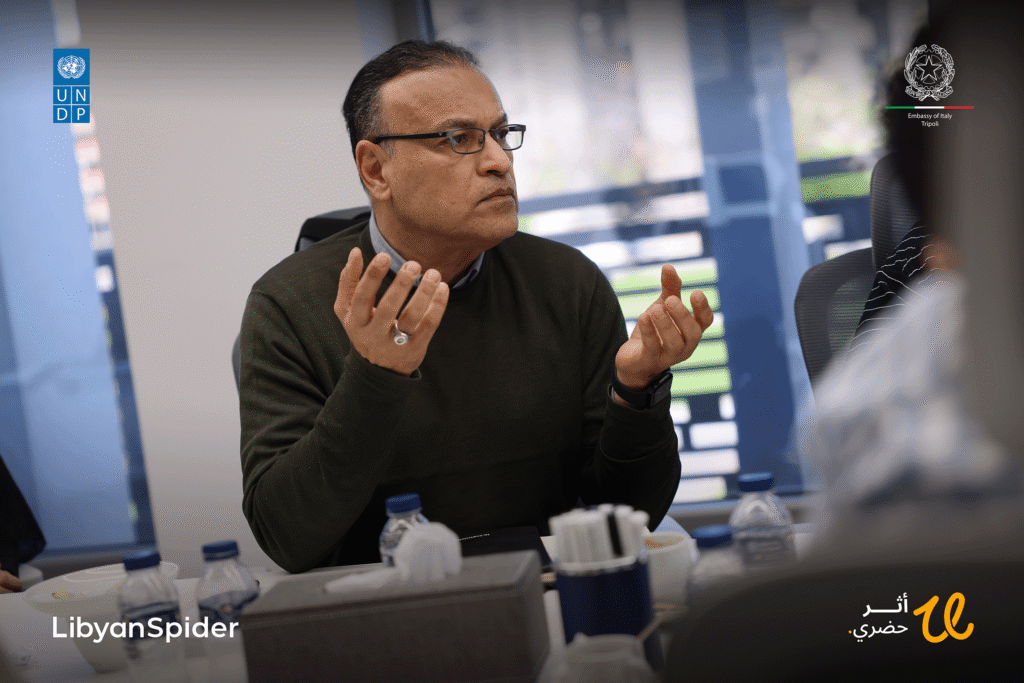
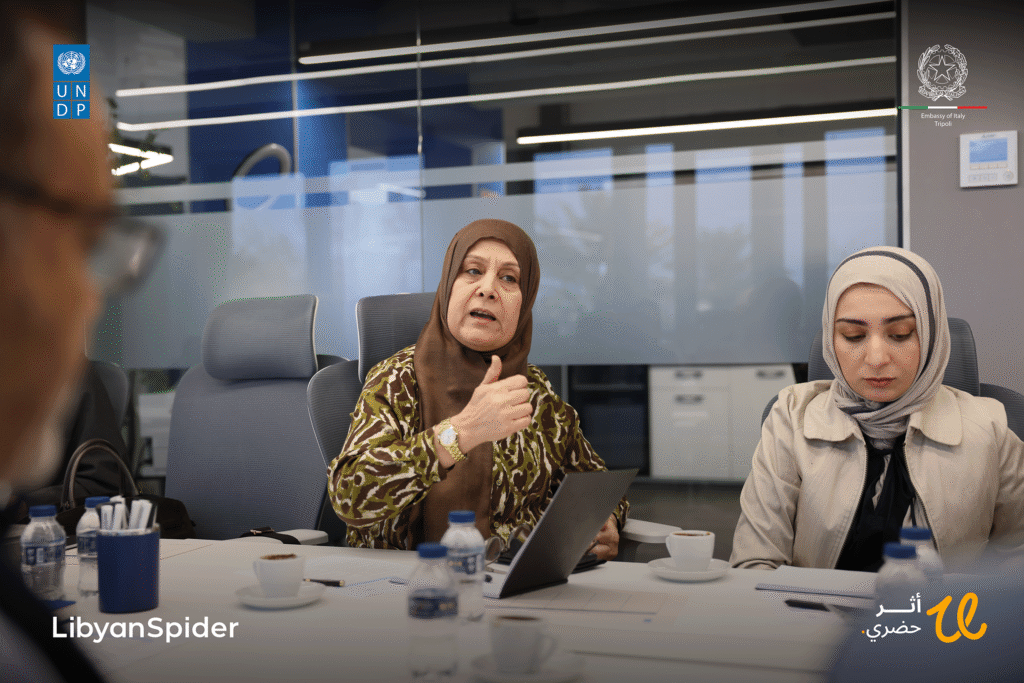
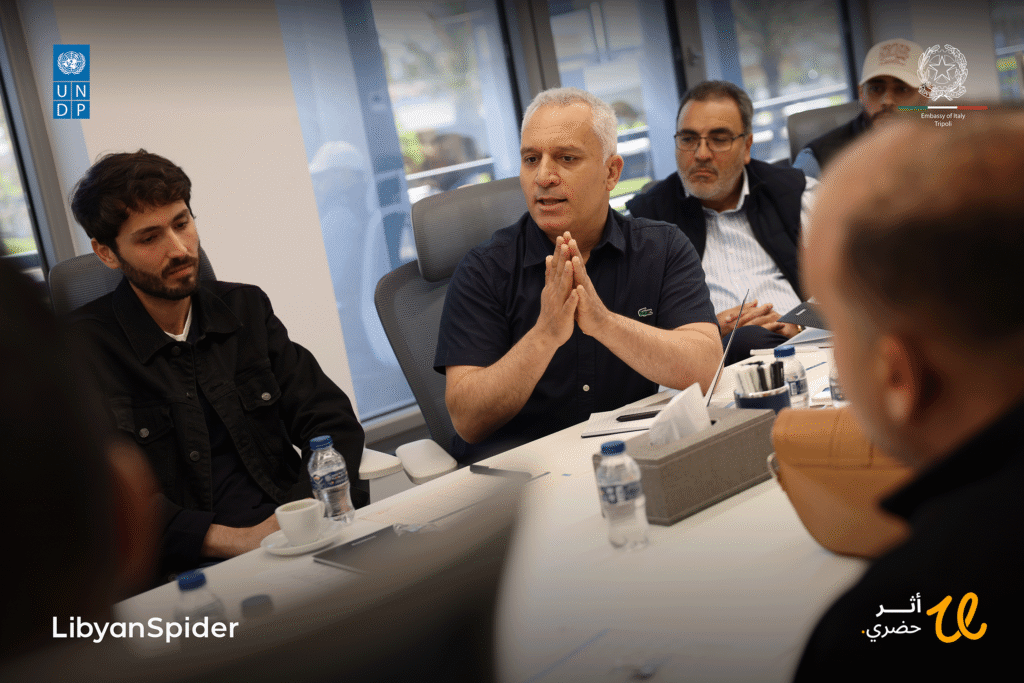
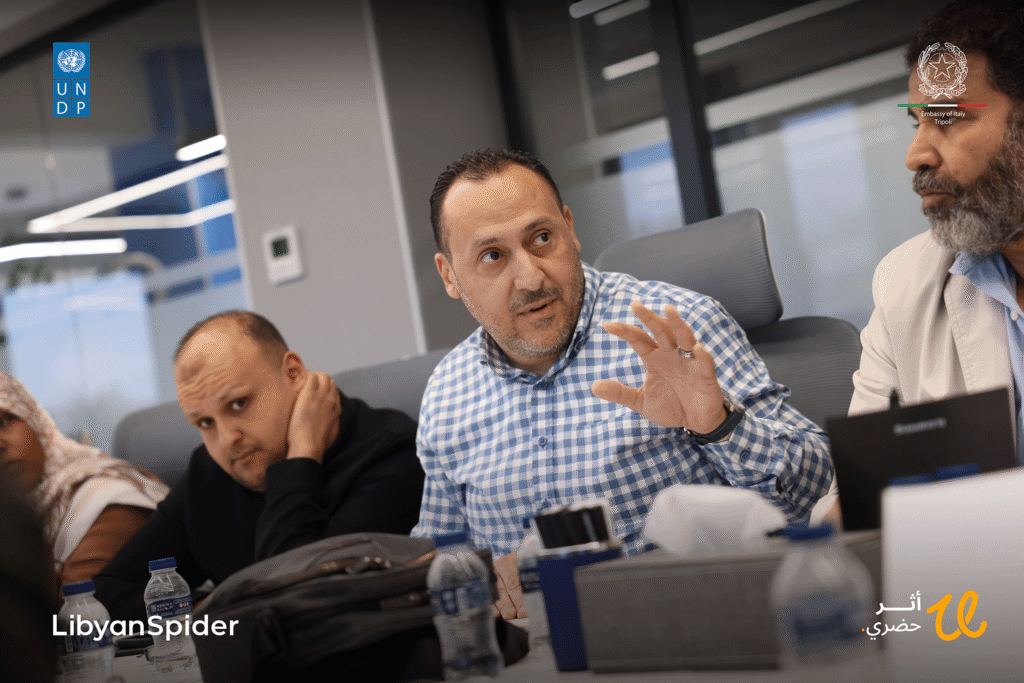
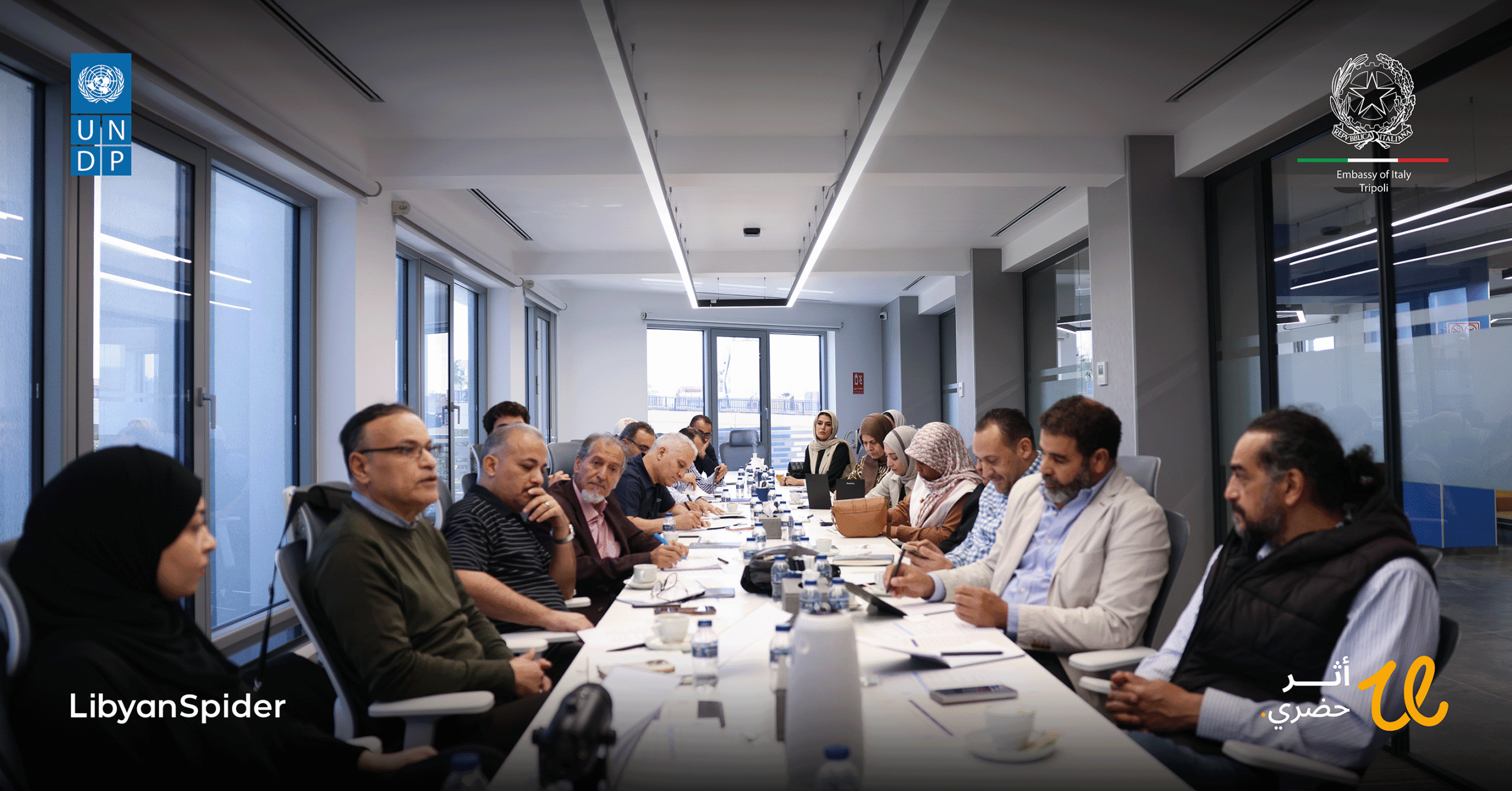
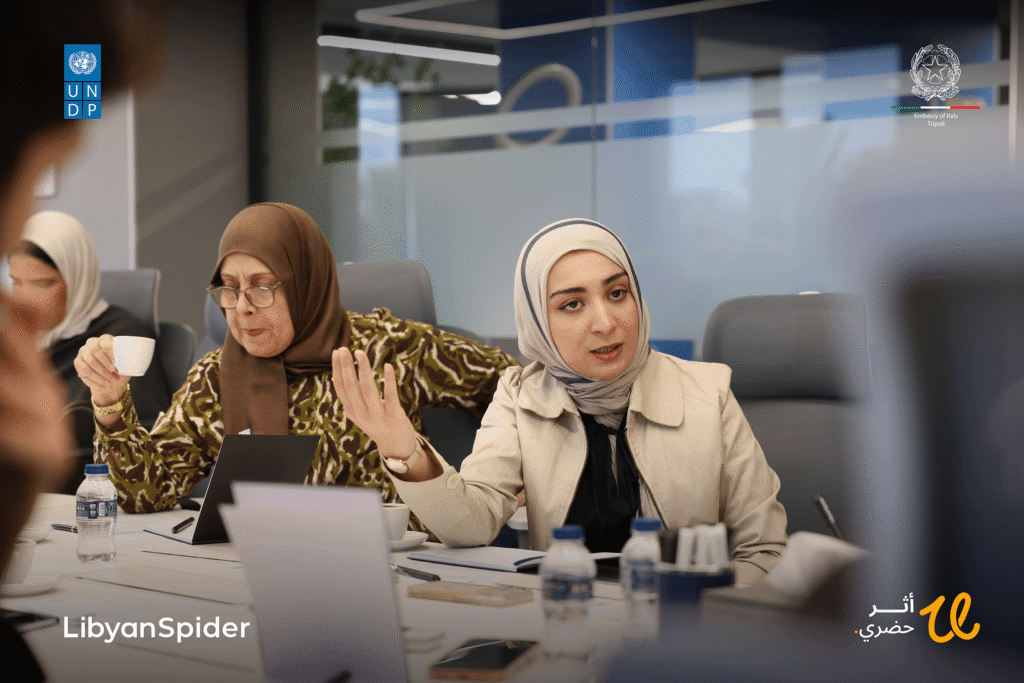
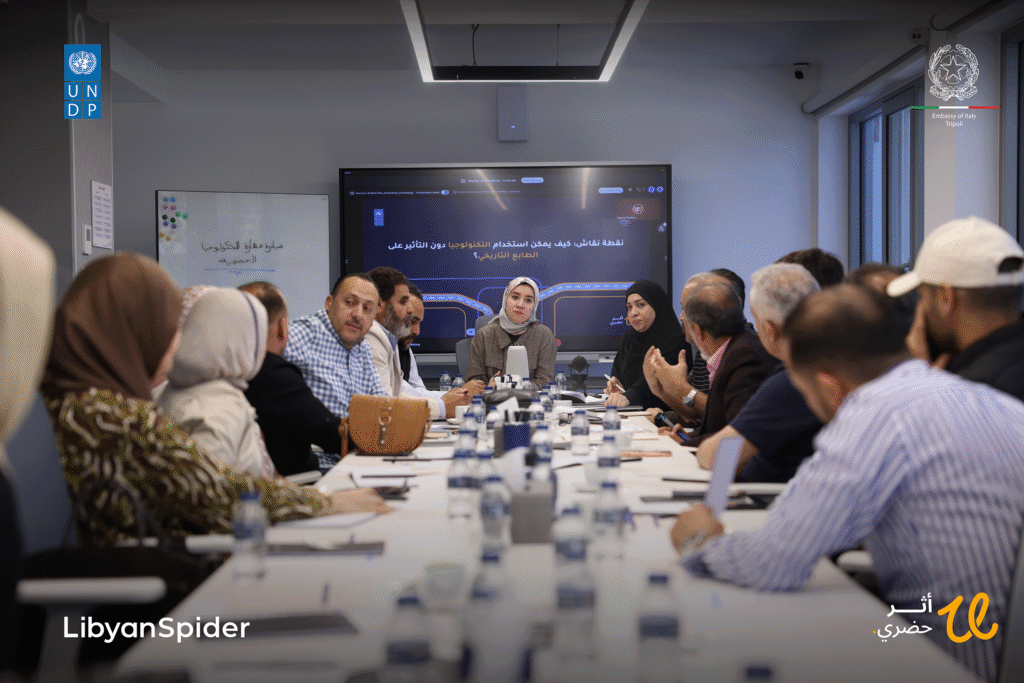
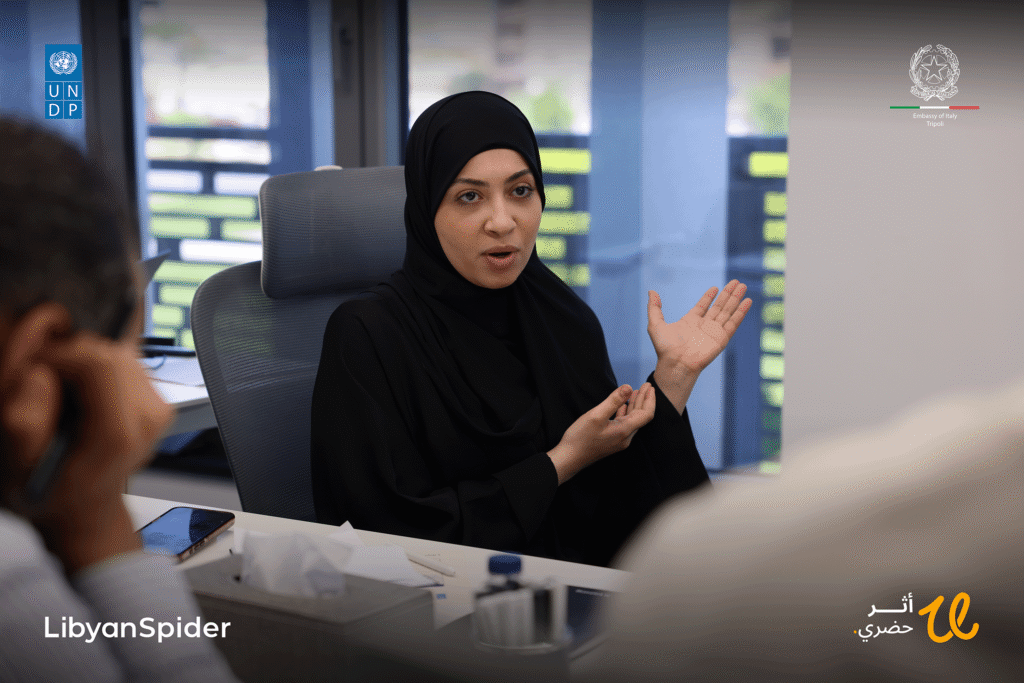
As part of the Maharah Urban Tech Initiative‘s community data collection process, a second focus group session was held on 25 April 2026, building on the findings of the first session. Bringing together field practitioners and professionals from architecture, urban planning, engineering, and technology, the session was designed to move beyond problem identification and toward answering a more pressing question:
What does it take to translate urban challenges into solutions that can actually be implemented in Tripoli?
From Ideas to Implementation Reality
The conversation quickly evolved past problem-listing and into more complex, practical territory: the gap between available solutions and whether they can feasibly be applied.
One insight emerged consistently among participants:
The challenge is not the absence of technology—it is the absence of the systems needed to enable it.
What Is Preventing Implementation?
Through expert discussions and a structured Barrier Mapping exercise, participants identified a set of interconnected systemic constraints:
1. Data as a Missing Foundation
Effective urban systems depend on reliable, accessible, and integrated data. Participants pointed to the lack of unified databases, information fragmented across institutions, and limited data-sharing mechanisms as core obstacles. Without this foundation, even the most advanced technology-driven solutions remain isolated and unsustainable.
2. Infrastructure Readiness
Both physical and digital infrastructure gaps directly constrain the feasibility of deploying smart urban systems. Inconsistent service delivery and weak foundational infrastructure create substantial barriers to adopting real-time monitoring tools, sensor networks, and digital platforms.
3. Capacity and Application Gaps
Despite growing familiarity with tools such as GIS and BIM, a meaningful gap persists between awareness and practical application. Limited hands-on exposure and a disconnect between academic training and industry needs continue to restrict professionals' ability to translate concepts into functioning systems.
4.Reframing the Role of Technology
A significant conceptual shift emerged throughout the session. Rather than viewing technology as a standalone solution, participants arrived at a more nuanced understanding:
Technology is an enabler—and its effectiveness depends entirely on the strength of the systems within which it operates.
This reframing reflects a broader truth about urban innovation in Tripoli: progress is not about deploying more digital tools, but about building the integrated data, governance, and planning frameworks that make those tools effective.
Urban Heritage: Technology Within a Sensitive Context
In Tripoli, where a rich historic urban fabric shapes the city's identity, technology must be introduced with cultural sensitivity and spatial awareness.
Participants highlighted several areas where digital tools can meaningfully support heritage preservation:
3D documentation and digital archiving of historic structures
Structural and environmental monitoring using sensor technology
Data-driven planning in heritage-sensitive zones
Public engagement through accessible digital platforms
At the same time, they stressed that any technological intervention must be carefully designed to respect the integrity and authenticity of historic environments—underscoring the need for context-aware technology that balances preservation with thoughtful development.
From Insight to Action
The session's findings point toward a clear direction:
Urban solutions must be grounded in systems, not tools.
Moving this work forward requires:
Developing data-driven solutions rooted in Tripoli's local realities
Designing interventions that are feasible within existing constraints
Fostering genuine multidisciplinary collaboration
Testing and refining solutions through phased, pilot-based approaches
Taken together, these insights reposition urban technology not as a quick fix, but as a system-level enabler—one whose impact depends on the strength of the underlying urban, institutional, and data frameworks supporting it.
Be Part of This Change
Tripoli does not lack ideas or potential. What it needs are people who can turn those ideas into implementable solutions.The Maharah Urban Tech Initiative is open to practitioners, planners, engineers, and technologists who want to contribute to building real solutions grounded in the city's realities.